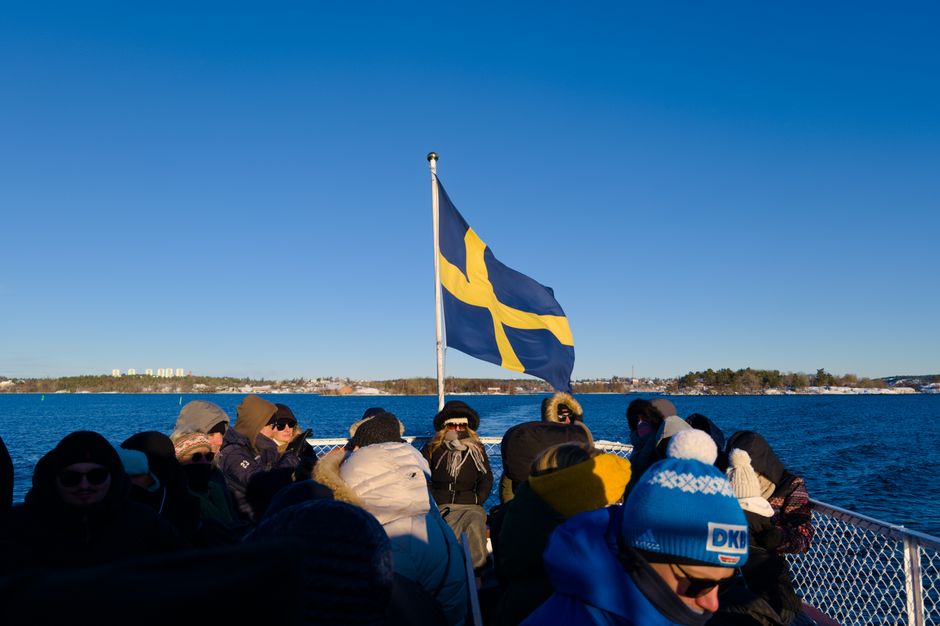
Few capital cities on earth give you access to something like this. Stockholm sits at the point where Lake Malaren meets the Baltic Sea, and beyond the city's eastern edge the archipelago fans out across roughly 30,000 islands, islets, and bare rocks. Some are densely forested. Others are little more than smooth granite ledges breaking the surface of the water. Travelling through them by kayak or small boat is one of the most rewarding ways to spend time in Sweden.
Kayaking the archipelago: what to expect
Kayaking suits visitors who want to move at their own pace and get close to the smaller islands that larger vessels cannot easily reach. The water is generally calm in summer, though open stretches between islands can pick up wind quickly, so it pays to check conditions each morning before setting out. Kayaks can be rented from outfitters in various parts of the archipelago, and multi-day guided tours are available for those who prefer not to navigate independently.
Sweden has a long tradition of public access to nature, which broadly allows people to paddle and camp on most undeveloped land, including uninhabited islands. The specifics of what is and is not permitted are worth understanding before you go. Local outfitters and tourism offices can explain the rules clearly, and English is widely spoken throughout the region.
A typical day on the water might cover anywhere from a short hop between nearby islands to a longer crossing depending on your experience level. Beginners are generally advised to stay in sheltered inner archipelago waters, while more experienced paddlers can venture further out toward the open sea.
Exploring by motorboat or sailboat
For those who want to cover more ground, renting a motorboat or sailboat opens up the outer archipelago. Boat rental is available at various points around Stockholm, and you do not necessarily need a formal licence for smaller vessels, though requirements vary. Confirm this with the rental provider before booking. Sailing is particularly popular in summer, when the days are long and the light on the water in the evenings is remarkable.
Day trips and multi-day boat tours are offered by various operators departing from Stockholm. These range from compact speedboat excursions to longer island-hopping journeys with overnight stops. If you prefer not to handle navigation yourself, a guided boat tour is a practical option that still gets you well out into the archipelago.
Planning your trip: timing and practicalities
The archipelago is at its best from late May through August, when temperatures are mild, the water is navigable, and island facilities are open. September can also be calm and beautiful, with fewer visitors. Outside summer, many rental services operate on reduced schedules or close entirely.
- Getting there: Various ferry and boat connections run from central Stockholm into the archipelago in summer. Check current routes and schedules with local transport providers.
- What to bring: Waterproof layers, sun protection, a dry bag for valuables, and enough water for the day. Weather can change faster on the water than it appears from shore.
- Payment: Sweden is largely cashless and payment by card is the norm, including at many archipelago kiosks and rental points. Prices are in Swedish kronor (SEK).
- Language: English is widely spoken, so communicating with rental staff, ferry operators, and locals on the islands is rarely a problem.
Frequently Asked Questions
Q: Do I need kayaking experience to explore the Stockholm archipelago?A: Not necessarily. The inner archipelago has calmer, more sheltered waters that are well suited to beginners. If you have little or no experience, look for guided tours or half-day introductory sessions available through local outfitters. The open outer archipelago is better suited to those with more experience on the water.
Q: Can I island-hop overnight by kayak or boat?A: Multi-day trips are popular and practical in summer. Sweden's public access tradition allows camping on most undeveloped land, but there are rules around where and how you camp, including near private properties. Confirm the current guidelines with a local outfitter or tourism information office before planning an overnight route.