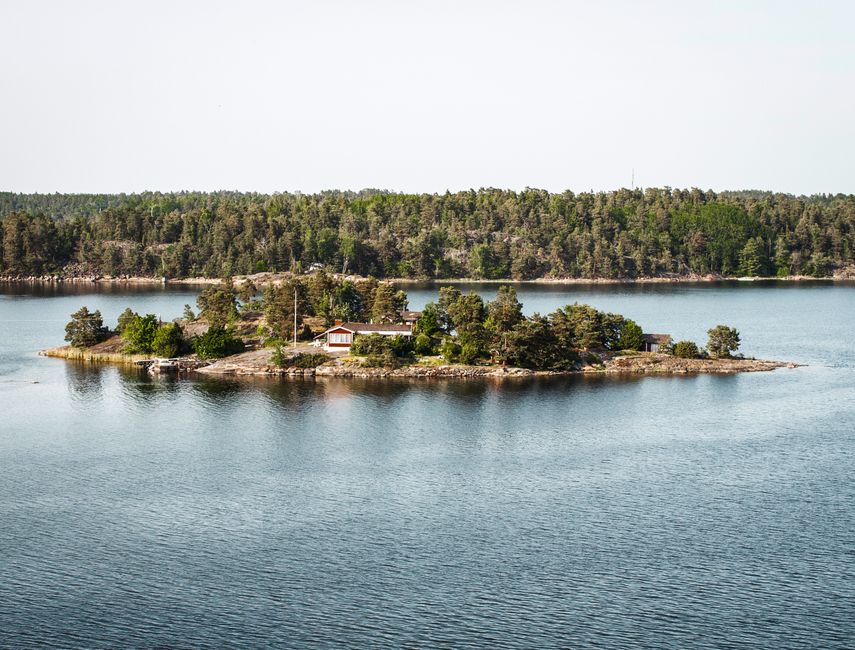
Few cities have a wilderness this close. Stockholm's archipelago — around 30,000 islands, islets and rocks stretching east into the Baltic Sea — starts practically at the city's edge, and several islands are reachable within an hour or two by boat. A day trip here is one of the most rewarding things you can do as a visitor to Stockholm, and it requires very little planning.
How to get to the archipelago from Stockholm
The main way to reach the outer islands is by ferry. Public ferry services depart from central Stockholm, typically from the quays along Strandvågen in Östermalm and from the waterfront near the city centre. Services run most frequently in summer, when timetables expand significantly. Outside of summer, connections to more remote islands can be limited, so checking current timetables before you go is always worthwhile.
Some islands closer to the city can also be reached by a combination of bus and smaller ferry. For the nearest destinations, journey times are short enough that you can comfortably spend four or five hours on an island and still be back in Stockholm for dinner. Further out, travel times increase, but the scenery along the way is part of the experience.
Note that archipelago ferry services are not always included in standard SL transport passes. Check whether your ticket covers the journey before boarding, or be prepared to pay separately. Sweden is almost entirely cashless, so card payment is standard on boats as it is everywhere else in Stockholm.
What the islands are actually like
The character of the archipelago changes the further out you go. Islands close to the city tend to be more developed, with summer communities, small harbours, and places to eat and drink. Further out, the landscape becomes increasingly raw — smooth granite outcrops, pine forest, open water, and very few people. This outer archipelago is where you get a genuine sense of space that Stockholm's city islands cannot offer.
Hiking is possible on many islands, usually on informal paths across the rocks and through light forest. Swimming directly from the rocks is common practice in summer. Some islands have designated nature reserve areas where access on foot is open but other activities may be restricted — it is worth checking local signage when you arrive. Fishing is popular across the archipelago; in Sweden, fishing with a rod and line in most open waters is generally permitted without a licence, but rules can vary by location, so confirming locally is sensible.
Cycling is an option on some of the larger islands, and bike hire is sometimes available locally. Availability varies by island and by season.
When to go
Summer — roughly June through August — is when the archipelago is fully open and at its liveliest. Ferries run more frequently, facilities are open, and the long northern days give you a generous amount of daylight. July in particular is peak season, and popular island destinations can feel busy on weekends.
Late May and early September are quieter and often beautiful, with cooler temperatures and noticeably fewer visitors. Winter trips are possible but require more research — connections thin out considerably, and many island facilities close entirely until spring.
Frequently Asked Questions
Q: Do I need to book ferry tickets in advance?A: For popular summer routes, booking ahead is advisable, especially on weekends. On quieter routes and in low season, you can often pay on board, but checking timetables in advance is always recommended as services vary significantly by time of year.
Q: Is English spoken in the archipelago?A: English is widely spoken throughout Sweden, and you will have no difficulty communicating in English on ferry services or in shops and cafes on the islands.
Practical tip: Ferry routes, timetables and ticket options change seasonally and year to year. Before your trip, check with Stockholm's official tourist information services or the ferry operators directly for current schedules, prices and any pass integrations.