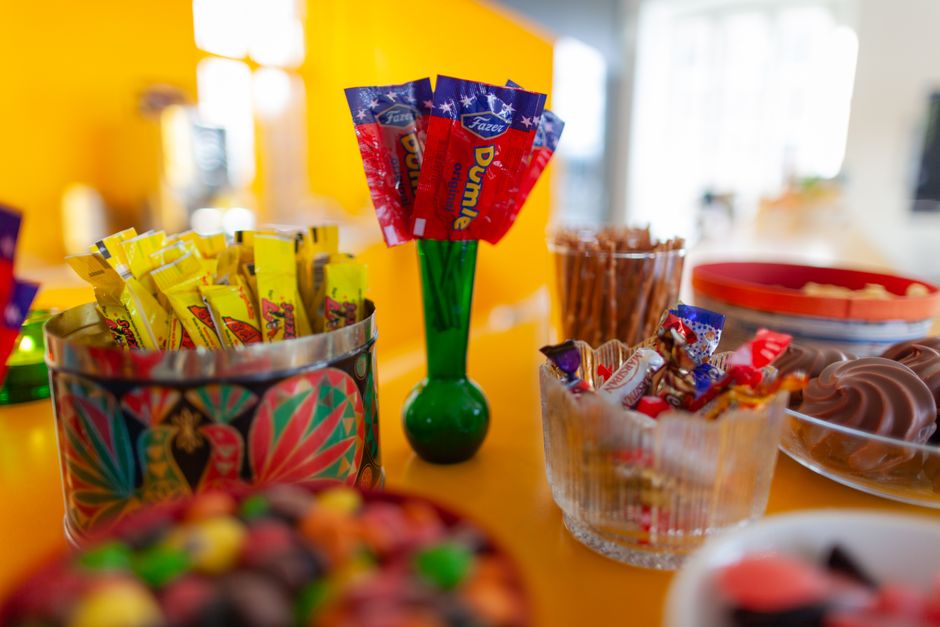
Stockholm is one of Scandinavia's great food cities, and visiting without diving into traditional Swedish cuisine would be a missed opportunity. The cobbled lanes of Gamla Stan and the trendy streets of Södermalm both put the flavours of Sweden within easy reach. Here is what to look for — and what to know before you eat.
Swedish Meatballs: The Dish Everyone Comes For
Swedish meatballs — kottbullar — are arguably the most iconic dish in the country, and Stockholm is one of the best places in the world to try the real thing. Forget the flat-pack furniture version you may know from home. Authentic Swedish meatballs are small, pan-fried, and served with a rich cream sauce, lingonberry jam, and buttery mashed potato or boiled potatoes.
The lingonberry jam is not an afterthought — it is essential. The sweet-sharp berries cut through the richness of the sauce in a way that makes the whole dish come together. You will find meatballs on menus across the city, from traditional Swedish restaurants to market halls. Östermalms Saluhall, the historic food market in the elegant Östermalm district, is a well-regarded spot to explore local produce and traditional Swedish food in a classic setting.
One important note: Sweden uses the Swedish krona (SEK), not the euro, so check prices in advance. Stockholm is also almost entirely cashless, so there is no need to carry coins — card payment is accepted everywhere.
Cinnamon Buns: Sweden's Most Beloved Pastry
The Swedish cinnamon bun — kanelbulle — is a national institution. Sweden even has an official Cinnamon Bun Day on 4 October each year, which tells you everything you need to know about how seriously the country takes its pastry.
A Swedish kanelbulle is different from the American-style cinnamon roll you might expect. It is typically twisted or knotted rather than rolled, flavoured with cardamom as well as cinnamon, and finished with coarse pearl sugar on top. The result is aromatic, lightly spiced, and far less sweet than its international counterparts. You will find them freshly baked in bakeries and cafes throughout Stockholm, and the smell of cardamom drifting from a bakery is one of the city's great pleasures.
Fika: Sweden's Coffee Culture Explained
Fika is more than just a coffee break — it is a social ritual embedded in Swedish daily life. The word refers to the practice of pausing to share coffee and something sweet with friends, family, or colleagues. It is deliberate, unhurried, and remarkably civilised.
As a visitor to Stockholm, embracing fika is one of the easiest ways to feel connected to local culture. Find a cafe, order a coffee and a kanelbulle or a slice of kladdkaka (a dense, gooey Swedish chocolate cake), sit down, and slow your pace for twenty minutes. That is fika.
- What to order: Filter coffee or espresso, paired with a cinnamon bun, cardamom bun, or a slice of cake
- When: Swedes typically fika mid-morning and mid-afternoon
- Where: Cafes throughout Stockholm, from Gamla Stan to Södermalm and beyond
- Cost: Check the menu — prices vary, and everything is paid by card
English is widely spoken throughout Stockholm, so ordering is straightforward even if your Swedish is nonexistent.
Frequently Asked Questions
Q: Where can I try authentic Swedish meatballs in Stockholm?A: Swedish meatballs are widely available across the city in traditional restaurants, food markets, and cafes. Ask locally or check recent visitor reviews for current recommendations, as specific venues change over time.
Q: Do I need cash to buy food and coffee in Stockholm?A: No. Stockholm is almost entirely cashless and card payment is the norm everywhere, including small bakeries and market stalls. There is no need to carry Swedish kronor in cash.
Practical tip: Opening hours, menus, and prices change regularly. Before visiting a specific market, food hall, or restaurant in Stockholm, check their official website or contact them directly to confirm current details.