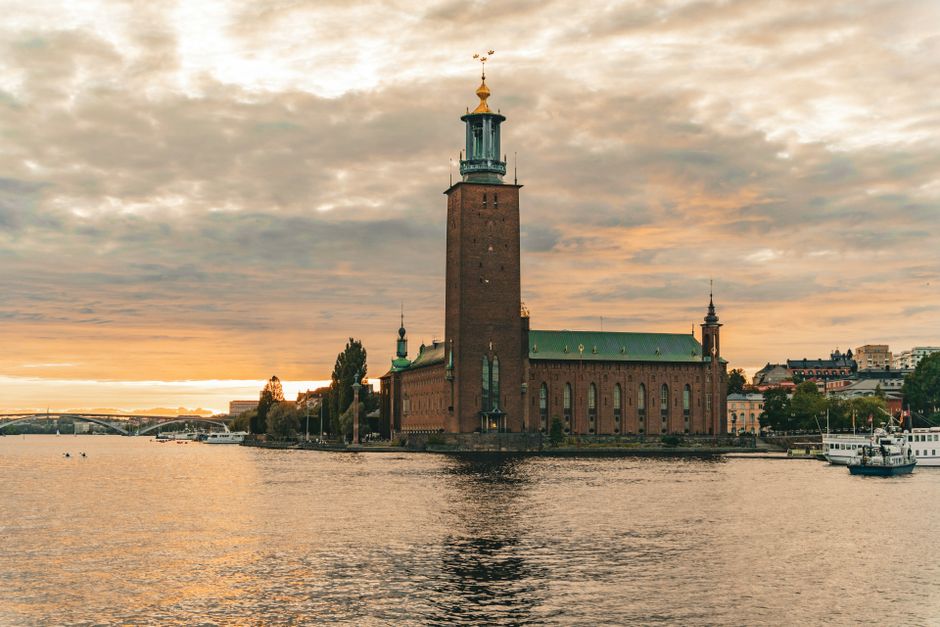
Stockholm has become one of Europe's most atmospheric cities for fans of Nordic noir — the genre of dark, socially conscious Scandinavian crime fiction and drama that has captivated readers and viewers worldwide. The city's layered geography, brooding waterways, and contrast between elegant neighbourhoods and working-class islands makes it a natural setting for crime stories. Whether you have come to Stockholm after bingeing a Swedish crime series or finishing a Stieg Larsson novel, the city rewards curious walkers looking to connect real places with fictional ones.
Why Stockholm Is the Home of Nordic Noir
Nordic noir as a genre is deeply rooted in Swedish society and landscape. Stockholm's islands, bridges, and shifting light — bright and endless in summer, almost absent in winter — give the city a quality that transfers powerfully onto the page and screen. The city is built on 14 islands connected by 57 bridges, which means characters are constantly crossing water, passing between worlds. That physical structure — always moving between places, always exposed on a bridge — gives Swedish crime stories much of their tension. The genre also draws on Sweden's self-image as a modern, progressive society, using crime to interrogate what lies beneath that surface.
Södermalm: The Neighbourhood Most Associated with Nordic Noir
Södermalm, the large island south of Gamla Stan, is the district most strongly associated with Swedish crime fiction. Stieg Larsson, author of the Millennium trilogy beginning with The Girl with the Dragon Tattoo, lived and worked on Södermalm, and the island's streets and residential buildings form the backdrop for his protagonist Lisbeth Salander's world. Fans of the books and films often walk through Södermalm looking for places that match descriptions in the novels — the neighbourhood's mix of bohemian culture and residential grit makes it feel authentically noir.
Monteliusvägen, a free walkway along the northern cliffs of Södermalm, offers sweeping views over Gamla Stan and the water below — a vantage point that captures the mood of the city particularly well at dusk or in winter light. It is one of the most photogenic spots in Stockholm and requires no ticket or booking.
Fotografiska, the photography and visual art museum in Södermalm, is worth visiting for anyone interested in the visual culture that feeds into the Nordic noir aesthetic — stark, high-contrast, emotionally direct imagery that mirrors the genre's tone.
Gamla Stan and Other Districts on Screen
Gamla Stan, Stockholm's medieval Old Town, has appeared in numerous Swedish film and television productions. Its narrow cobbled lanes, dimly lit archways, and Stortorget — the oldest square in Stockholm, surrounded by colourful 17th-century merchant houses — provide a ready-made historical atmosphere that directors return to repeatedly. Walking through Gamla Stan after dark, when the tourist crowds thin, gives a genuine sense of why the location appeals to crime filmmakers.
Östermalm and its elegant Strandvågen waterfront represent a very different side of Stockholm that also features in Swedish crime drama — the prosperous, establishment world that noir protagonists often expose or challenge. Many Swedish crime stories use the tension between districts like Södermalm and Östermalm to drive their social commentary.
Practical Tips for Exploring Stockholm's Noir Locations
- Södermalm is easily reached on foot from Gamla Stan or by SL metro and bus.
- Walking is the best way to explore Nordic noir locations — both Södermalm and Gamla Stan reward slow, unplanned wandering.
- Winter visits offer the low light and atmosphere closest to the mood of Swedish crime fiction, though midsummer midnight light has its own strange quality.
- English is widely spoken throughout Stockholm, so asking locals for neighbourhood context is easy and often rewarding.
- Some local organisations and bookshops in Stockholm occasionally offer literary walks or noir-themed events — check with the Stockholm Visitor Centre on arrival for current offerings.
Frequently Asked Questions
Q: Where in Stockholm is most associated with Stieg Larsson and the Millennium trilogy?A: Södermalm is the island most closely linked to Stieg Larsson's Millennium novels. Larsson lived on Södermalm, and the neighbourhood's streets and atmosphere inspired much of the setting for Lisbeth Salander's world. Walking around the district gives a strong sense of the books' backdrop.
Q: Is Stockholm worth visiting specifically for Nordic noir fans?A: Absolutely. The city's physical geography — islands, bridges, shifting light, and contrasting districts — is inseparable from the mood of Swedish crime fiction and drama. You do not need to follow a strict itinerary; simply exploring Södermalm and Gamla Stan on foot delivers the atmosphere that defines the genre.