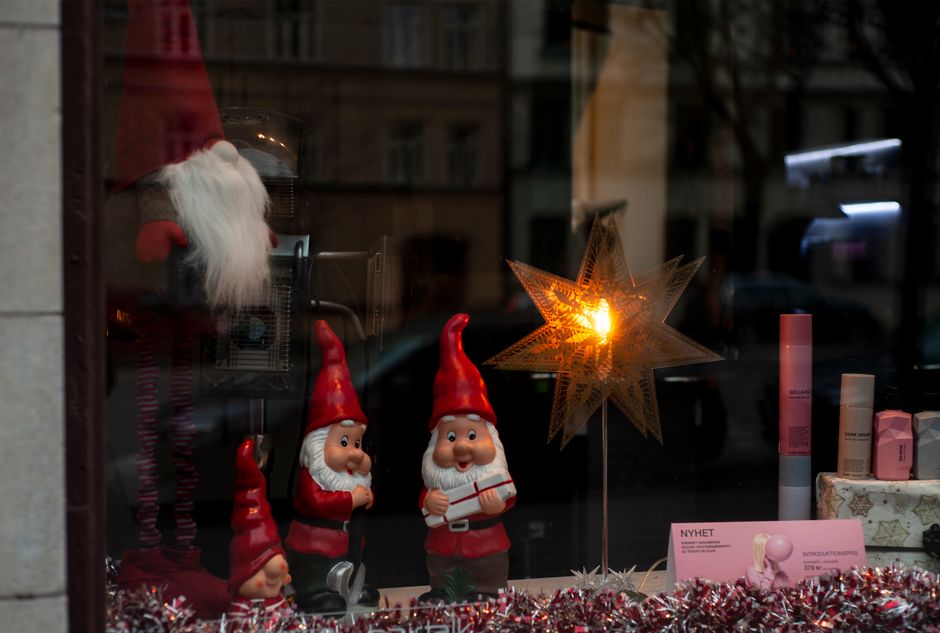
When darkness arrives early in late November and the temperature drops, Stockholm does something that feels entirely intentional about winter. Candles appear in windows across the 14 islands, lanterns line cobbled streets, and Christmas markets open in some of the city's most atmospheric settings. This guide covers the main markets, the Swedish traditions around them, what to eat and buy, how to get there, and what to think about if you are planning a visit for Christmas 2026.
The Main Stockholm Christmas Markets
Stortorget in Gamla Stan is the most visually striking setting for a Christmas market in Stockholm. The oldest square in the city, ringed by tall, colourful 17th-century merchant houses, it becomes a compact and deeply atmospheric Nordic Christmas scene each winter. Stalls selling handicrafts, seasonal food and warm drinks fill the square, with the medieval architecture lit up around you. It is small enough to cover in under an hour, which makes it an easy addition to a broader walk around Gamla Stan's lanes and alleys. The surrounding streets reward lingering, and the short distances between the Old Town's landmarks mean you can pair a market visit with the Royal Palace or a waterfront walk without much effort.
Skansen on Djurgården is a different experience entirely. As the world's first open-air museum, opened in 1891, Skansen spreads historic Swedish buildings across a hillside on the island of Djurgården. Its Christmas market leans into that heritage: craft stalls, traditional food and drink, and an old-fashioned Scandinavian atmosphere that feels genuinely connected to how Christmas was celebrated here generations ago. If you are travelling with children, Skansen's setting and the festive programme make it one of the more rewarding options in the city. Expect some admission cost to enter the museum grounds and check the current fee with Skansen directly before your visit.
Beyond these two, smaller and more neighbourhood-focused markets appear across the city during Advent. Östermalm and Södermalm both tend to host festive stalls and pop-up markets in the weeks before Christmas. These are often more local in feel, with less tourist foot traffic. For a sense of what Södermalm's market culture looks like outside the Christmas season, see our guide to Södermalm street food and local markets.
Swedish Christmas Traditions to Know About
A visit to a Stockholm Christmas market makes more sense when you understand a few of the Swedish traditions running alongside it.
Lucia Day falls on 13 December each year and is one of the most distinctive moments in the Swedish festive calendar. Processions of singers carrying candles take place in churches, schools and public spaces across the city, with the lead singer wearing a crown of candles. If your visit falls around this date, it is worth looking out for public Lucia events, which are atmospheric and open to visitors.
Julbord is the Swedish Christmas table, a spread of traditional seasonal dishes served buffet-style at restaurants and company gatherings throughout December. A classic julbord includes gravad lax, pickled herring, meatballs, a creamy potato and anchovy gratin known as Jansson's temptation, rice pudding and much more. Many Stockholm restaurants offer a julbord menu from late November onwards. It is worth booking in advance, as tables fill up quickly during December, particularly on weekends. A julbord is one of the most genuinely Swedish eating experiences you can have in the city at this time of year.
The Nobel Prize banquet, held each December at Stockholm City Hall, is not something visitors attend, but it is part of what makes early December feel particularly charged in the city. The banquet hall is open for tours outside of the event itself.
What to Eat, Drink and Buy at the Markets
- Glögg — Swedish mulled wine, served warm and often accompanied by raisins and blanched almonds. Richer and more spiced than many Central European versions.
- Pepparkakor — thin, crisp ginger biscuits in the shape of hearts, stars and figures. They are everywhere in December and make an easy edible souvenir.
- Lussekatter — saffron buns eaten around Lucia, soft and golden and best eaten fresh and warm.
- Handmade crafts — wooden decorations, candles, woollen goods, hand-painted items and locally produced preserves are common across the stalls.
Stockholm is an almost entirely cashless city, and this applies at Christmas market stalls too. Card payment, including contactless, is the norm. Sweden uses the Swedish krona (SEK), not the euro, so check your card's foreign transaction terms before you travel. English is spoken comfortably across the city, and you will have no difficulty at any market stall.
Getting to the Markets
Gamla Stan has its own metro station on the SL tunnelbana network, making it straightforward to reach from anywhere in central Stockholm. For Djurgården and Skansen, the options include trams from the city centre and the Djurgårdslinjen ferry, which connects Djurgården to the central waterfront. The ferry is a pleasant way to arrive, though frequency can be reduced in winter compared to the busy summer season, so check the current SL timetable before setting out. For a fuller sense of the route, our Stockholm waterfront walk to Djurgården covers the journey on foot along the water.
If the weather turns difficult during your visit — heavy snow, ice, or simply a cold day when outdoor browsing loses its appeal — Stockholm has a strong range of indoor alternatives. Our guide to rainy day activities in Stockholm covers museum options and indoor things to do across the city.
Planning for Christmas Markets 2026
For a visit timed around Stockholm Christmas markets in 2026, the general framework holds: markets typically open in late November, around the first Sunday of Advent, and run through to just before Christmas Eve, with some continuing into the final days of December. Weekends are busier and more festive in atmosphere; weekday mornings are quieter and easier for browsing. If you are planning a Lucia-season trip, aim for the second week of December, when both the Lucia events and the markets are in full swing simultaneously.
Specific dates, opening hours and stall configurations are confirmed closer to each season by the individual market organisers. The programme at Skansen in particular can include ticketed evening events and special programming alongside the general market, so it is worth checking their schedule as 2026 approaches.
Frequently Asked Questions
Q: Do I need cash for Stockholm Christmas markets?A: No. Stockholm is one of the most cashless cities in the world, and market stalls operate the same way as shops and cafes — card and contactless payment are standard. There is no need to carry Swedish krona in cash, though it is worth ensuring your card works with SEK transactions.
Q: Which market is better for families with children — Gamla Stan or Skansen?A: Both are enjoyable with children, but Skansen's open-air museum setting, with animals, historic buildings and space to move around, generally suits families with younger children particularly well. Stortorget in Gamla Stan is more compact and atmospheric, and works well as a quick, visually impressive stop that can be combined with a broader walk around the Old Town.