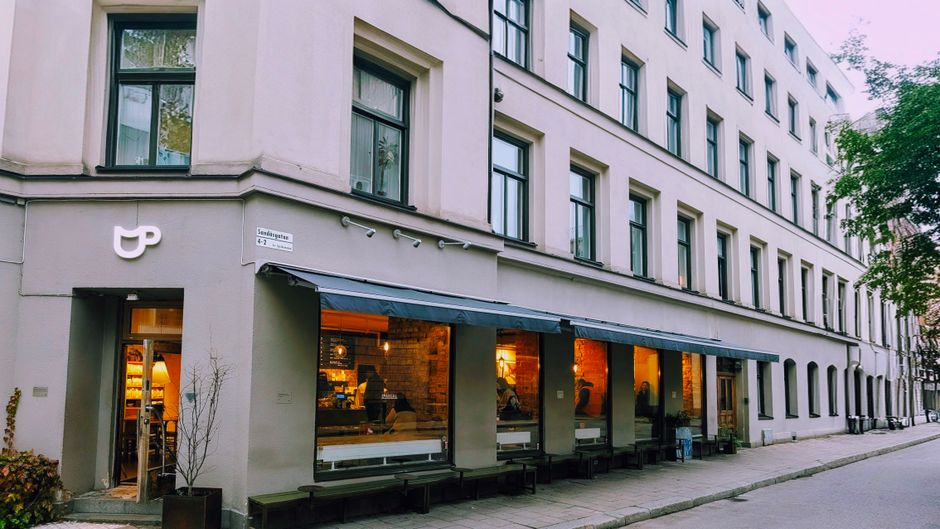
Stockholm is one of the natural homes of Scandinavian design. The city's devotion to clean lines, functional beauty, and quality craftsmanship shows up not just in its shops and galleries, but in its architecture, public spaces, and everyday life. Hunting for a piece to take home or just curious what makes Nordic design tick, Stockholm offers plenty of ways to explore it either way.
What Is Scandinavian Design and Why Stockholm?
Scandinavian design is broadly characterised by simplicity, functionality, and a connection to natural materials and light. Sweden's design tradition grew out of a belief that well-made, beautiful objects should be accessible to everyone, not reserved for the wealthy. Stockholm, as the country's capital and cultural centre, has long been a hub for designers, craftspeople, and brands working in this tradition. Walking the city itself, you will notice the design sensibility everywhere: in shop interiors, in cafe furniture, even in how public transport spaces are laid out.
The Best Neighbourhoods for Design in Stockholm
Different parts of the city offer different experiences of Stockholm's design culture.
- Sodermalm: This large island south of Gamla Stan is known for its bohemian, creative atmosphere. It is a natural hunting ground for independent design studios, concept stores, and vintage finds. The neighbourhood rewards slow exploration, as side streets often turn up small shops with locally made homeware, ceramics, textiles, and fashion.
- Ostermalm: The elegant eastern district is home to more established, upmarket design and interiors retailers. The grand waterfront boulevard of Strandvagen and the surrounding streets carry a polished aesthetic that reflects in the shops found here. If you are looking for premium Swedish homeware or jewellery, this area is worth your time.
- Gamla Stan: Stockholm's medieval Old Town is more tourist-oriented, but you can still find quality design goods and gifts alongside the souvenir shops. Look carefully and you may find studios or galleries tucked into the narrow cobbled lanes near Stortorget, the city's oldest square.
- Djurgarden: Primarily known for its museums and green spaces, Djurgarden is also worth visiting for design enthusiasts interested in Swedish cultural heritage. Museum shops in the area can be excellent sources of well-chosen design objects and books.
Stockholm is an almost entirely cashless city, so you can shop with a card everywhere without needing to carry Swedish krona in cash. English is widely spoken, which makes browsing and asking for advice straightforward for international visitors.
Design Beyond Shopping: Museums and Visual Culture
If you want to understand Scandinavian design in a deeper way, Stockholm's cultural institutions offer useful context. The city's museums, many clustered on Djurgarden, frequently feature design, craft, and applied arts in their collections and temporary exhibitions. It is worth checking what is showing during your visit.
Fotografiska, the photography and visual arts museum on Sodermalm, regularly presents work that engages with visual culture, image-making, and aesthetics, areas that overlap meaningfully with the design world. Even Stockholm's metro system, the tunnelbana, is considered the world's longest art gallery, with artwork in around 90 of its 100 stations. It is a small reminder that in Stockholm, design and public life are rarely kept separate.
Frequently Asked Questions
Q: Do Stockholm design shops accept card payment?A: Yes. Stockholm is an almost entirely cashless city, and card payment is the norm in virtually every shop, market stall, and cafe. You are unlikely to need cash at any point during your visit.
Q: Which neighbourhood is best for finding independent Swedish design?A: Sodermalm is widely associated with Stockholm's independent, creative retail scene and is a good starting point for discovering smaller Swedish design studios and concept stores. That said, all central neighbourhoods reward exploration.